AAPOD2 (@aapodx2) 's Twitter Profile
AAPOD2

@aapodx2

AAPOD2 is a site dedicated to the Amateur Astro-Photographer. Each day a new image will be selected a AAPOD2 wining image of the day and be showcased here.

ID: 1202641981081575425

linkhttps://www.AAPOD2.com calendar_today05-12-2019 17:32:54

452 Tweet

396 Takipçi

2 Takip Edilen
AAPOD2 (@aapodx2) 's Twitter Profile Photo

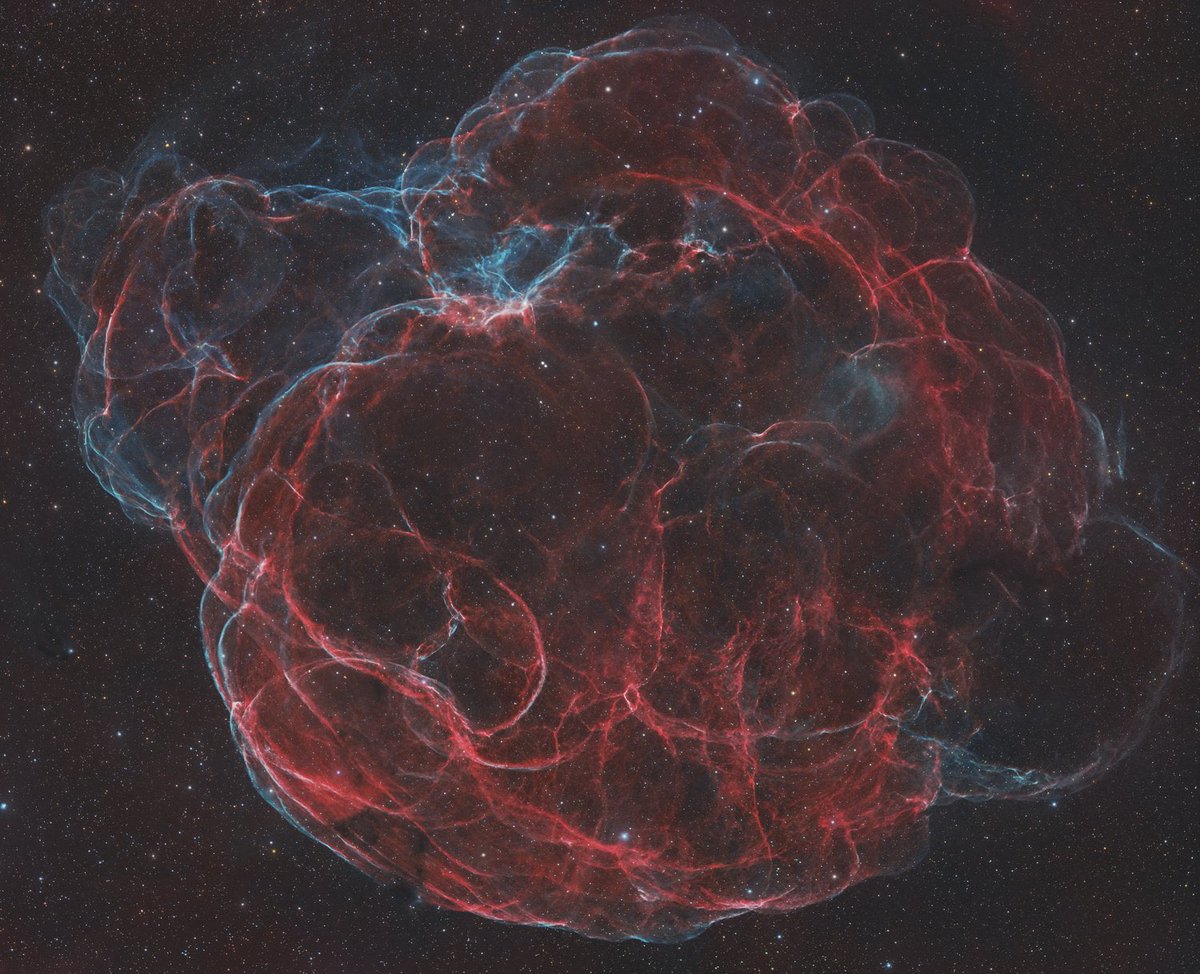
Image Description and Details : Tak FSQ-106ED F/5SBIG STF-8300M + QHY CFW3 Filter wheelAstrodon processedOrion CT80 + ZWO ASI 120miniFLI Atlas focuserSkywatcher EQ8 mount (with EQ Drive standard4 TCS) Copyright: Kim Young Dae

Image Description and Details :        

 Tak FSQ-106ED F/5SBIG STF-8300M + QHY CFW3 Filter wheelAstrodon processedOrion CT80 + ZWO ASI 120miniFLI Atlas focuserSkywatcher EQ8 mount (with EQ Drive standard4 TCS)

 Copyright:   Kim Young Dae
AAPOD2 (@aapodx2) 's Twitter Profile Photo

Technical part: Takahashi FSQ106 EDX4 with 645-QE super reducerAsi 2600MM Pro Barilla (Antilla) RGB + H and O 3nm filters Eq6r-pro Altaïr 60/225 guide + asi 290mm mini Sky bortle 3-4 Acquisition: N.I.N.A + Phd2 Processing: Siril + PixInsight + Photoshop Copyright : Yann SAINTY

Technical part:
Takahashi FSQ106 EDX4 with 645-QE super reducerAsi 2600MM Pro
Barilla (Antilla) RGB + H and O 3nm filters
Eq6r-pro
Altaïr 60/225 guide + asi 290mm mini
Sky bortle 3-4

Acquisition: N.I.N.A + Phd2
Processing: Siril + PixInsight + Photoshop

Copyright : Yann SAINTY
AAPOD2 (@aapodx2) 's Twitter Profile Photo

NGC 4725 (located at about 55 million light-years) and the planetary nebula LoTr5, discovered in 1980 and located "only" at 1650 light-years from us! TSA102 - AtikOne6.0 - AZEQ6 Total : 14h20 Copyright: Jean-Baptiste Auroux

NGC 4725 (located at about 55 million light-years) and the planetary nebula LoTr5, discovered in 1980 and located "only" at 1650 light-years from us! 

TSA102 - AtikOne6.0 - AZEQ6

Total : 14h20
Copyright: Jean-Baptiste Auroux
AAPOD2 (@aapodx2) 's Twitter Profile Photo

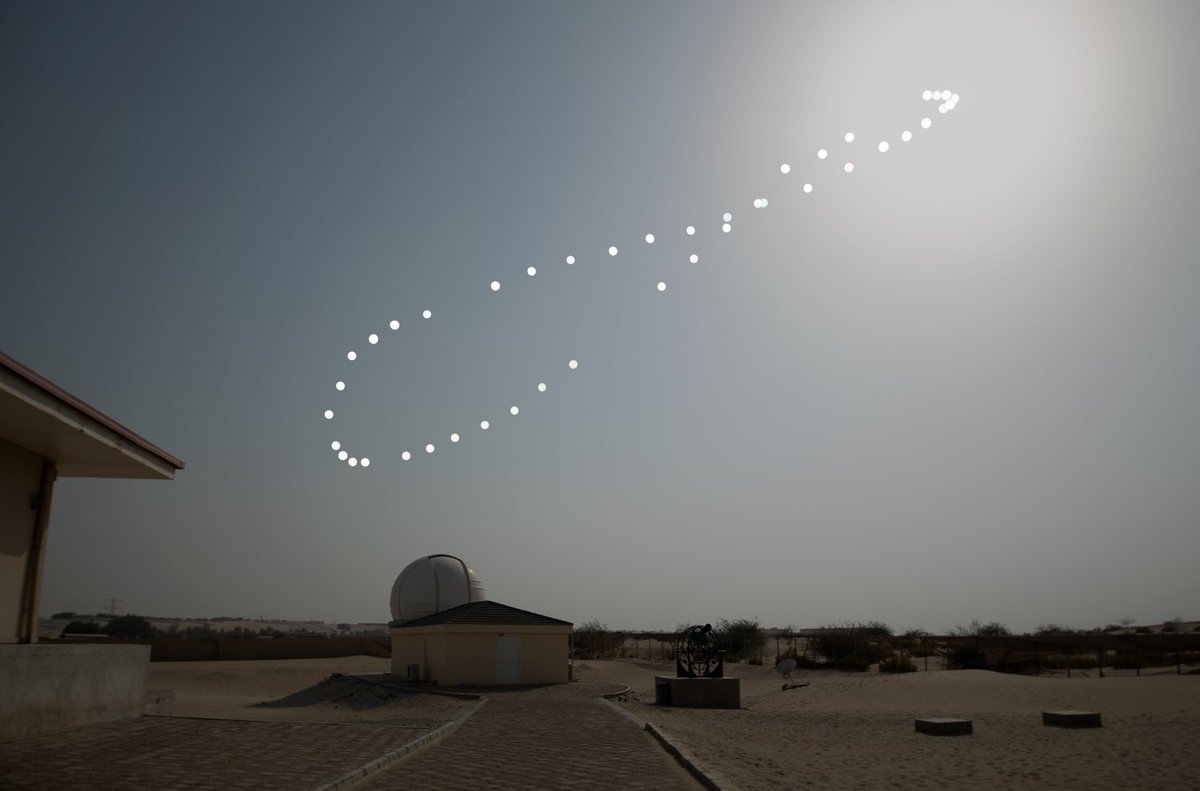
It’s called an analemma I took the 43 photos of the Sun that made up this composite image. These were taken every week from January 9 to December 25, 2021 Equipment used: Canon Ra DSLR, Tamron 14-24mm lens, Baader solar filter. Abu Dhabi, UAE. Copyright: Aldrin B. Gabuya

It’s called an analemma

I took the 43 photos of the Sun that made up this composite image. These were taken every week from January 9 to December 25, 2021

Equipment used: Canon Ra DSLR, Tamron 14-24mm lens, Baader solar filter. Abu Dhabi, UAE.
Copyright: Aldrin B. Gabuya
AAPOD2 (@aapodx2) 's Twitter Profile Photo

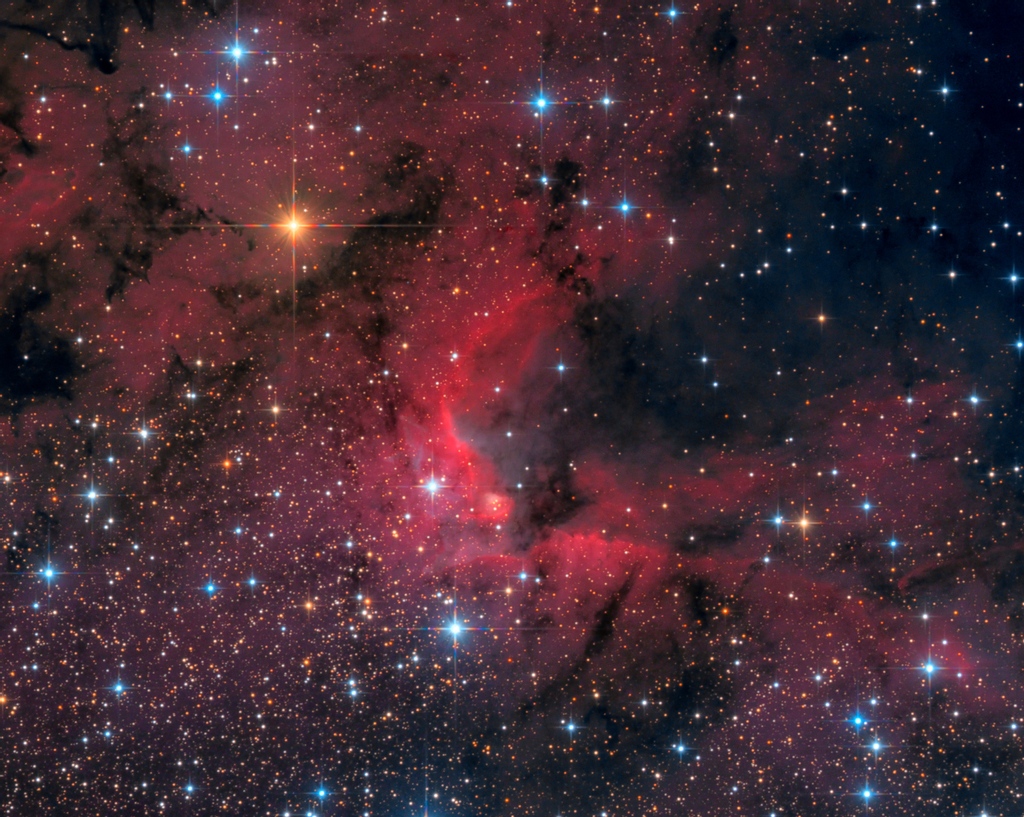
sh2-155 is a diffuse nebula in the constellation Cepheus. It is widely known as the Cave Nebula. Sh2-155 is an ionized H II region with ongoing star formation activity, at an estimated distance of 725 parsecs (2400 light-years) from Earth. Copyright: Sergiy Vakulenko

sh2-155 is a diffuse nebula in the constellation Cepheus. It is widely known as the Cave Nebula. Sh2-155 is an ionized H II region with ongoing star formation activity, at an estimated distance of 725 parsecs (2400 light-years) from Earth.

Copyright: Sergiy Vakulenko
AAPOD2 (@aapodx2) 's Twitter Profile Photo

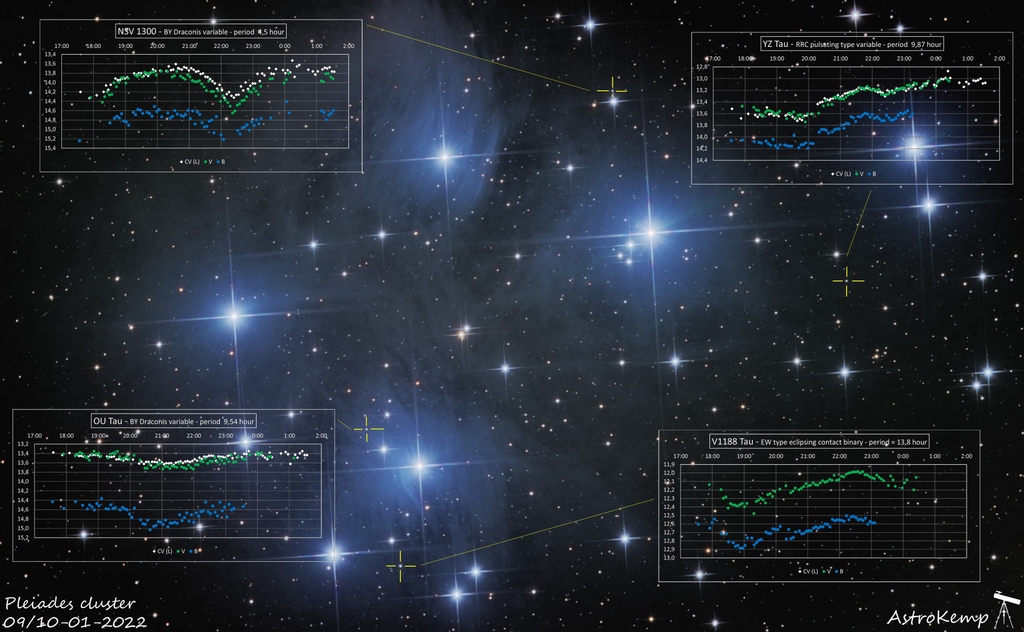
There are a lot of variable stars in the Pleiades cluster. About 60 were identified in this view using the AAVSO star charts. 4 of those showed clear variability in my recordings of 9-1-2022 NSV 1300, V1188, YZ Tau, OU Tau Copyright: Remco Kemperman

There are a lot of variable stars in the Pleiades cluster. About 60 were identified in this view using the AAVSO star charts. 
4 of those showed clear variability in my recordings of 9-1-2022

NSV 1300, V1188, YZ Tau, OU Tau

Copyright: Remco Kemperman
AAPOD2 (@aapodx2) 's Twitter Profile Photo

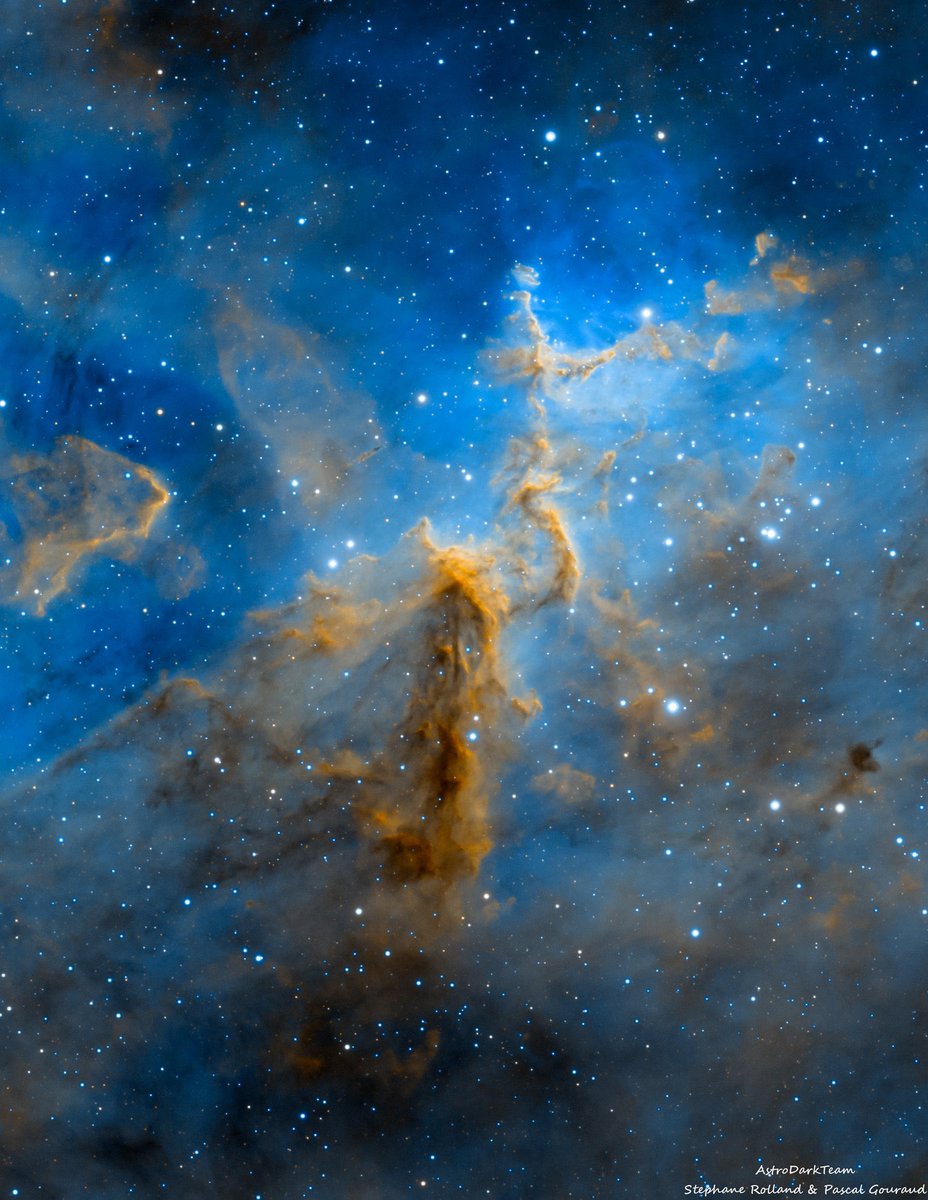
We have installed our setup in south Portugal (EQ8-R + TOA130) on mid-october 2021 and we have been imaging since end of October 2021. Our first target is IC1805 an emission nebula and star cluster Melotte 15. Copyright: Pascal Gouraud / AstroDarkTeam

We  have installed our setup in south Portugal (EQ8-R + TOA130) on  mid-october 2021 and we have been imaging since end of October 2021.
Our first target is IC1805 an emission nebula and star cluster Melotte 15. 

Copyright:    Pascal Gouraud /  AstroDarkTeam
AAPOD2 (@aapodx2) 's Twitter Profile Photo

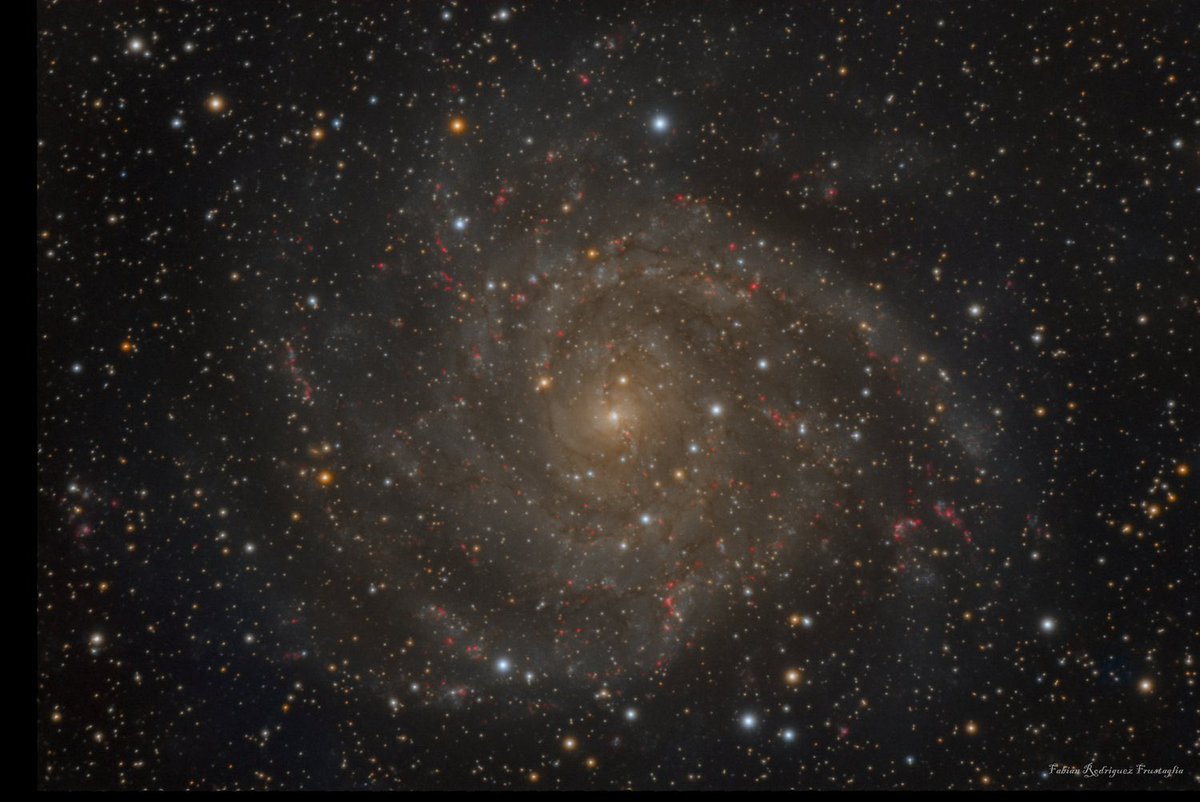
IC 342 or the Hidden Galaxy in the constellation Camelopardalis gets its name due to its location in the dusty areas near the Milky Way galactic equator.This image was obtained thought a Meade LX850 12" telescope with QHY268m camera Copyright: Fabian Rodriguez Frustaglia

IC 342 or the Hidden Galaxy in the constellation  Camelopardalis gets its name due to its location in the dusty areas near  the Milky Way galactic equator.This image was obtained thought a Meade LX850 12" telescope with QHY268m camera

Copyright: Fabian Rodriguez Frustaglia
AAPOD2 (@aapodx2) 's Twitter Profile Photo

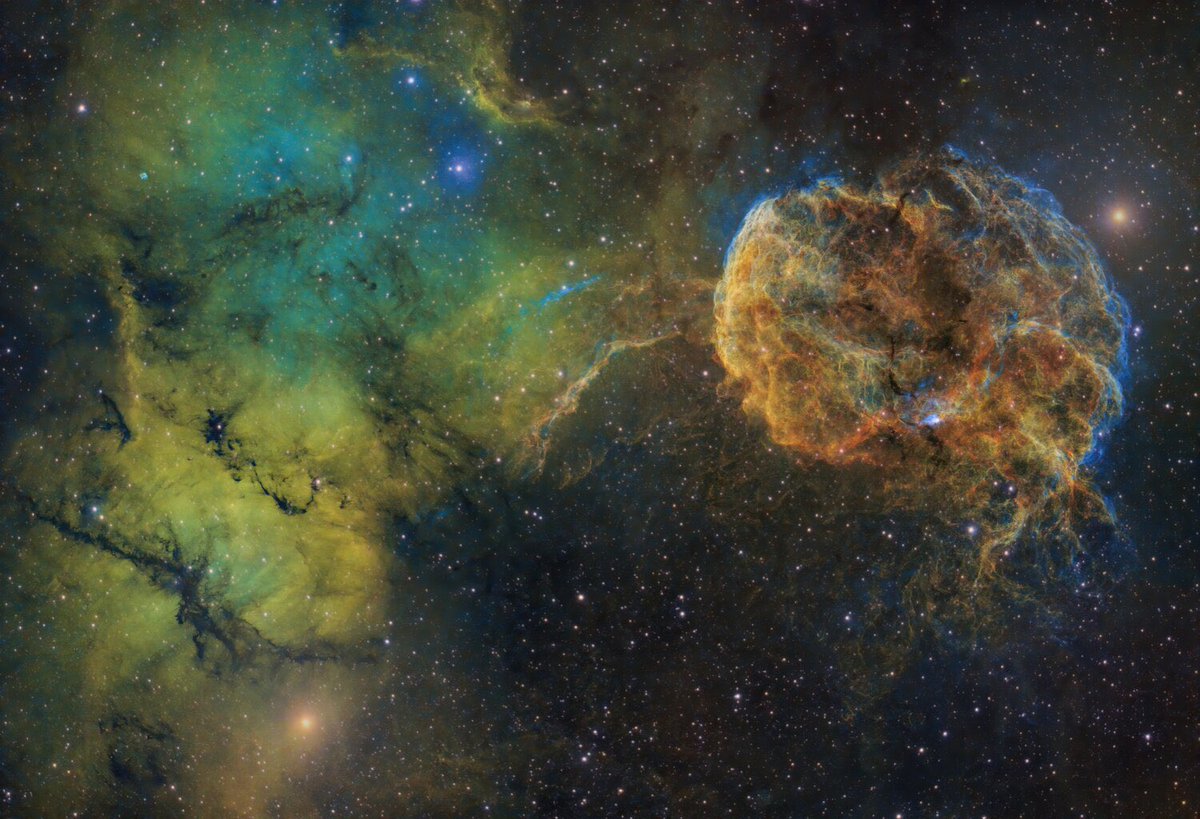
Total exposure time of 38h with individual subframe of 10min for each filter SHO.Also included data from Chandra telescope to enhance the xray area in the center of ic443 where there is a neutron star probably leftover from the supernova. Copyright: Riccardo Pacini

Total exposure time of 38h with individual subframe of 10min for each filter SHO.Also  included data from Chandra telescope to enhance the xray area in the  center of ic443 where there is a neutron star probably leftover from the  supernova.       
Copyright:   Riccardo Pacini
AAPOD2 (@aapodx2) 's Twitter Profile Photo

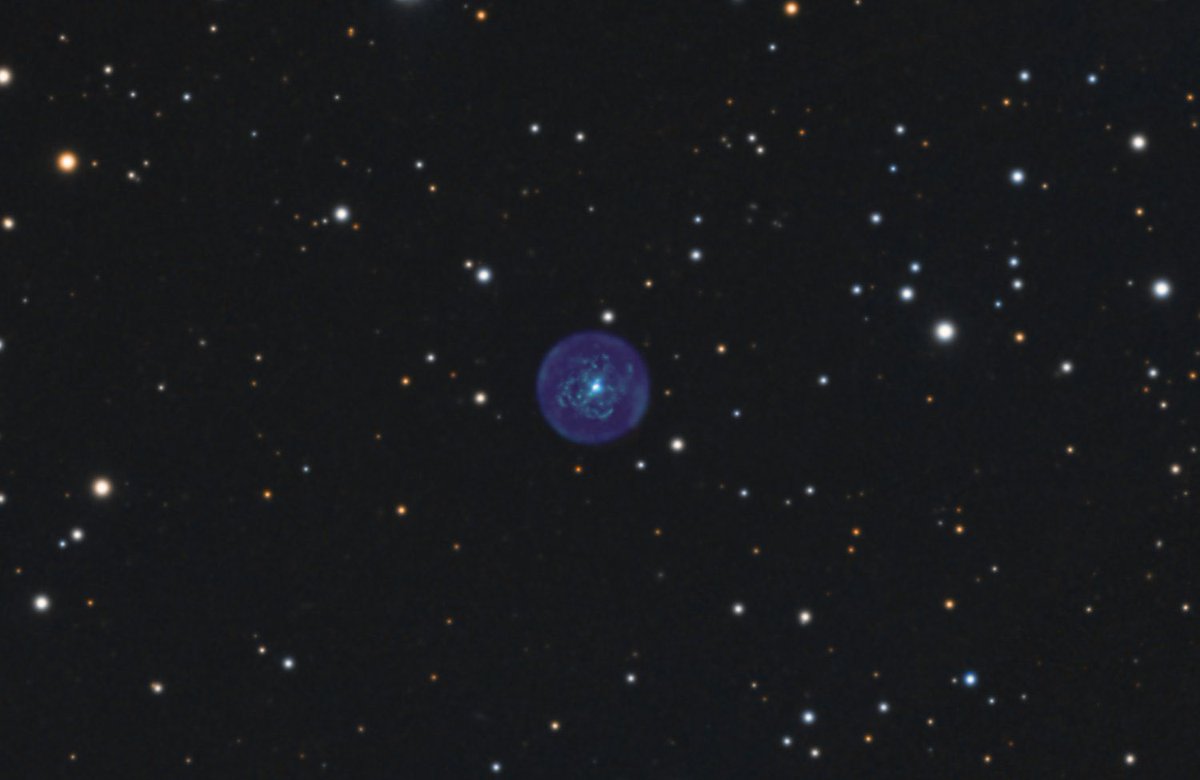
Abell 30 is a small extremely faint pneb located approximately 5,500 light-years away in the constellation of Cancer. . Scopes: APM TMB LZOS 152 Refractors Cameras: QSI6120wsg8Mount: 10Micron GM2000 HPSA total of 102 hours image capture (HaOIIIRGB) Copyright: Peter Goodhew

Abell 30 is a small extremely faint  pneb located approximately 5,500 light-years away in the  constellation of Cancer. . Scopes: APM TMB LZOS 152 Refractors Cameras: QSI6120wsg8Mount: 10Micron GM2000 HPSA total of 102 hours image capture (HaOIIIRGB)

Copyright: Peter Goodhew
AAPOD2 (@aapodx2) 's Twitter Profile Photo

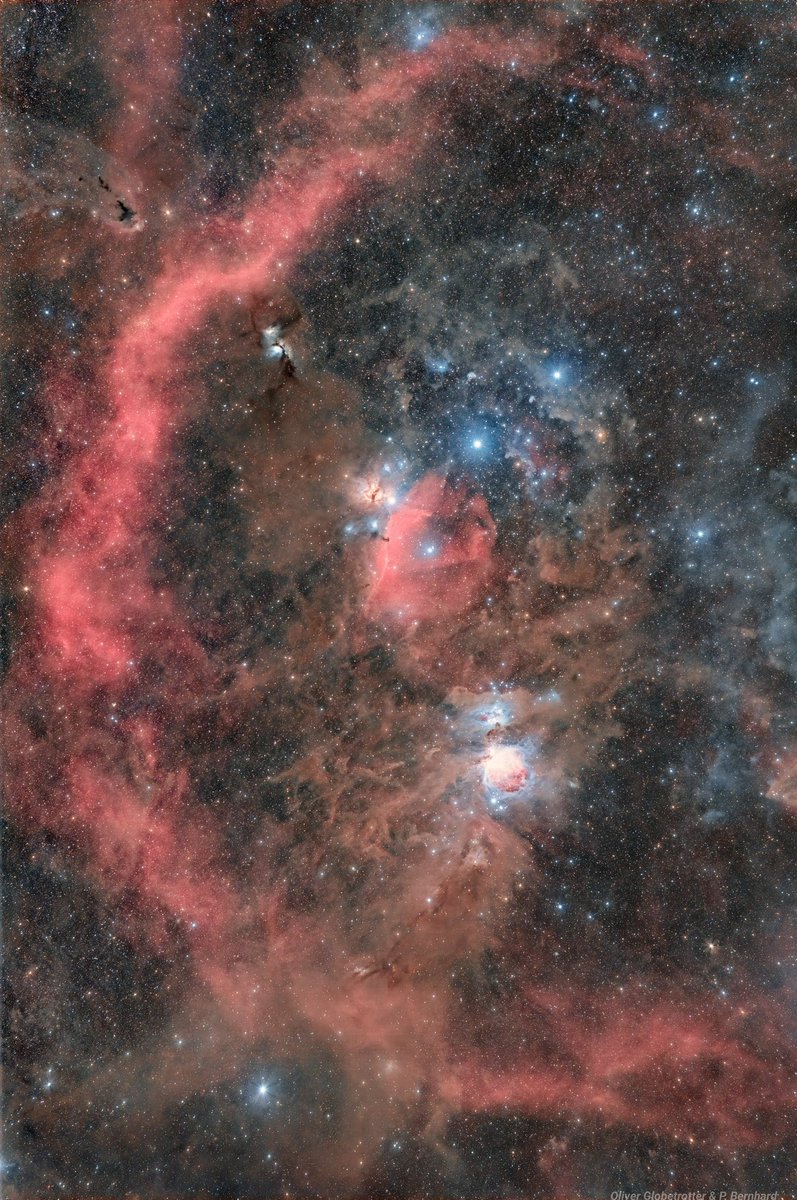
Orion photo and the Barnard loop. samyang 135mm f2. 210 shots of 120 seconds I kept only 100 raw. Samyang 135mm at f2.8 Canon 6D Iso 1600 Photomax Heq5 pro Copyright: Oliver Globetrotter & P. Bernhard

Orion photo and the Barnard loop. samyang 135mm f2. 210 shots of 120 seconds I kept only 100 raw.
Samyang 135mm at f2.8
Canon 6D Iso 1600 Photomax
 Heq5 pro

Copyright:   Oliver Globetrotter & P. Bernhard
AAPOD2 (@aapodx2) 's Twitter Profile Photo

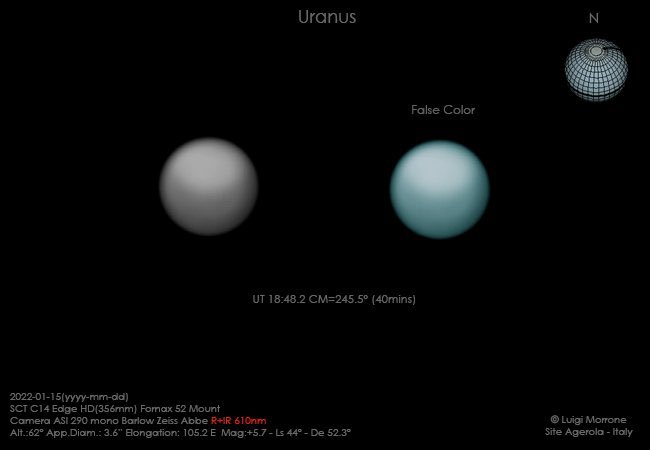
The bright pole extends up to - 45°N. No relevant atmospheric activity in its upper layer clouds. Currently the Ice Giant planet is located about 19.7AU (2.95 bilion km) from the Earth. C14 EDGE HD, Fornax52, ASI 290MM, Barlow Zeiss, Baader R+IR610nm Copyright: Luigi Morrone

The bright pole extends  up to - 45°N. No relevant atmospheric activity in its upper layer clouds. Currently the Ice Giant planet is located about  19.7AU (2.95 bilion km) from the Earth. C14 EDGE HD, Fornax52, ASI 290MM, Barlow Zeiss, Baader R+IR610nm

Copyright: Luigi Morrone
AAPOD2 (@aapodx2) 's Twitter Profile Photo

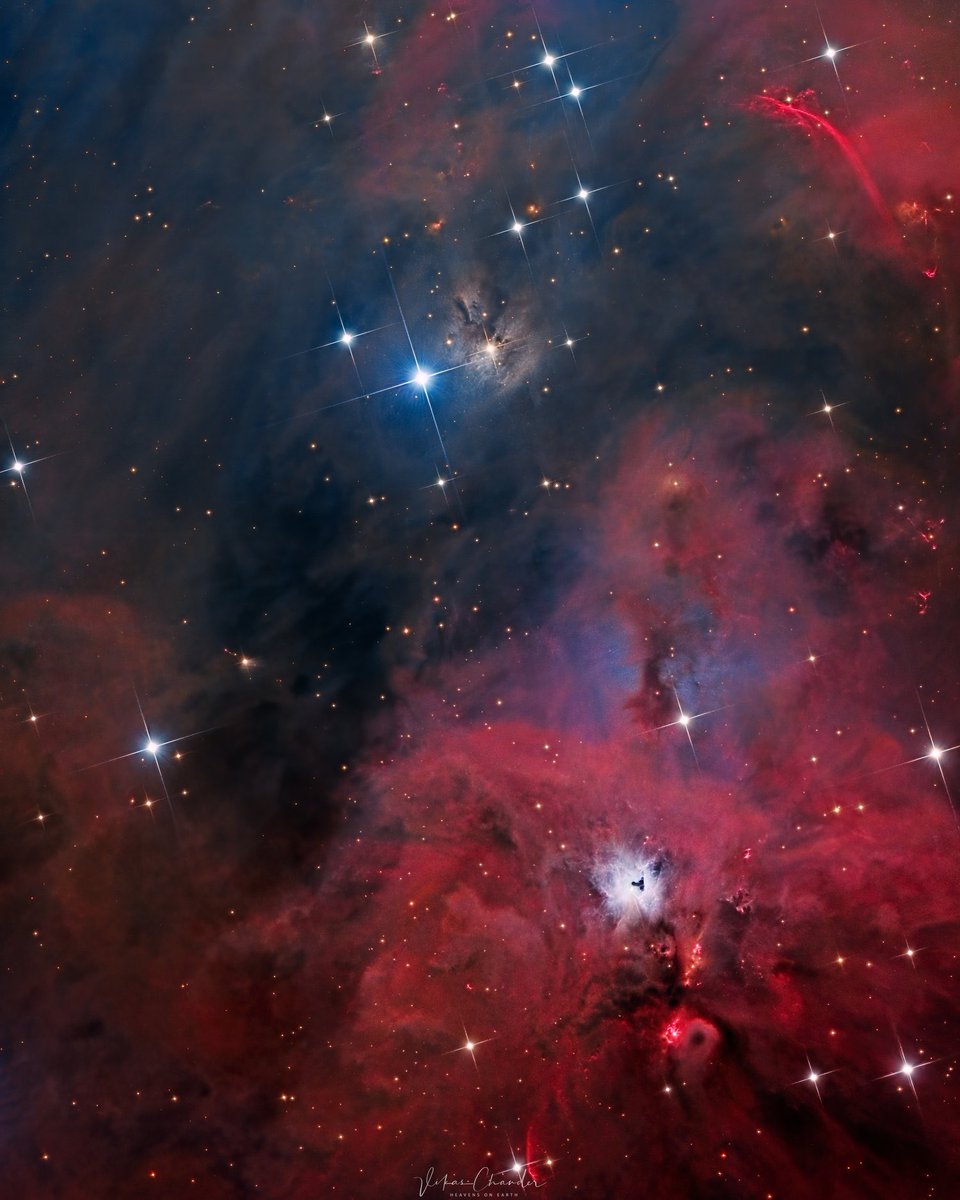
One of the first images taken after NASA astronauts repaired the Hubble Space Telescope in December 1999, was NGC 1999, a nebula in the constellation Orion. rth, in a region of our Milky Way galaxy where new stars are being formed actively. Copyright: Vikas Chander

One of the first images taken after NASA astronauts  repaired the Hubble Space Telescope in December 1999, was NGC 1999, a  nebula in the constellation Orion. rth, in a  region of our Milky Way galaxy where new stars are being formed  actively.

Copyright:         Vikas Chander
AAPOD2 (@aapodx2) 's Twitter Profile Photo

Location: Oria, Almeria, Spain Telescope: Takahashi FSQ-106EDX4 Camera: FLI PL16803 Mount: Paramount MX+ Ha: 10x10 minutes (binned 1x1) OIII: 80x10 minutes (binned 1x1) RGB: 8x10 minutes each (binned 1x1) Copyright 2022 Bernard Miller

Location: Oria, Almeria, Spain
Telescope: Takahashi FSQ-106EDX4
Camera: FLI PL16803
Mount: Paramount MX+
Ha: 10x10 minutes (binned 1x1)
OIII: 80x10 minutes (binned 1x1)
RGB: 8x10 minutes each (binned 1x1)

Copyright 2022 Bernard Miller
AAPOD2 (@aapodx2) 's Twitter Profile Photo

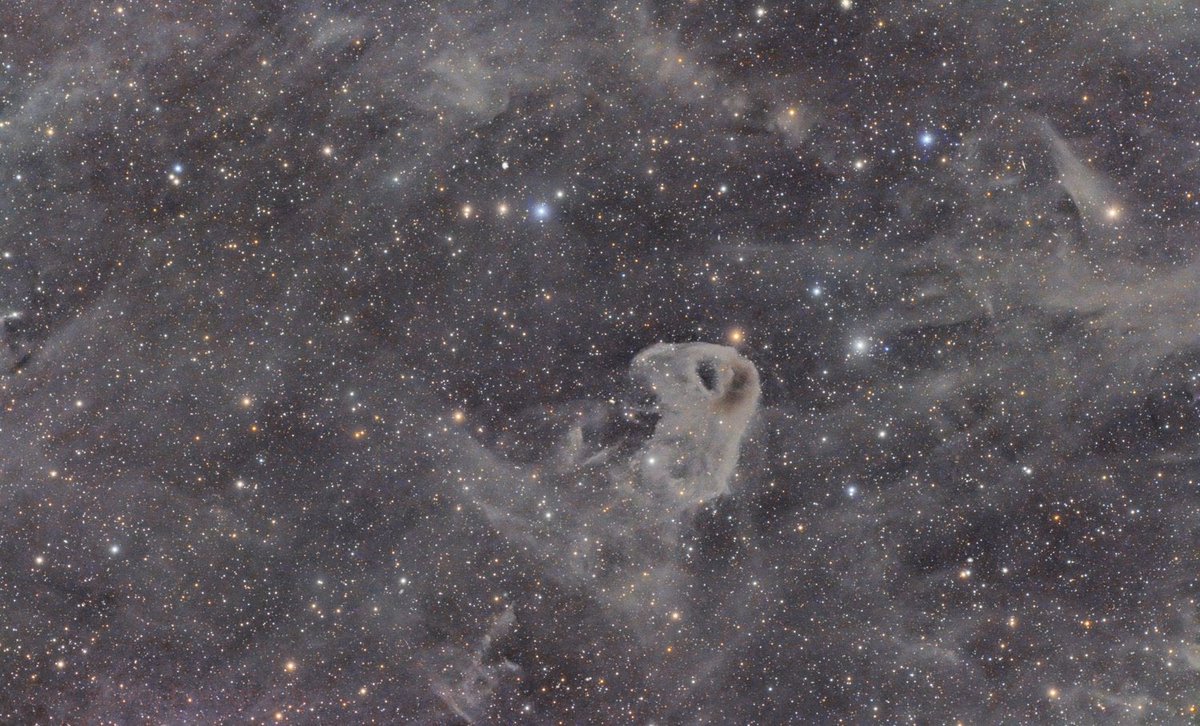
Baby Eagle Nebula (Lbn 777) Qhy 268c Apt for acquisition,alligned and stacked with ccd_stack 2 and processed in Pixinsight. EQ8_PRO Mount, Tak FSQ-85EDX f/5.3 telescope , SG-4 standalone autoguider and a Borg50 guidescope Copyright: Cosar Catalin Daniel

Baby Eagle Nebula (Lbn 777)           Qhy 268c
Apt for acquisition,alligned and stacked with ccd_stack 2 and processed in Pixinsight.
EQ8_PRO Mount,
Tak FSQ-85EDX f/5.3 telescope ,
SG-4 standalone autoguider and a Borg50 guidescope

Copyright: Cosar Catalin Daniel
AAPOD2 (@aapodx2) 's Twitter Profile Photo

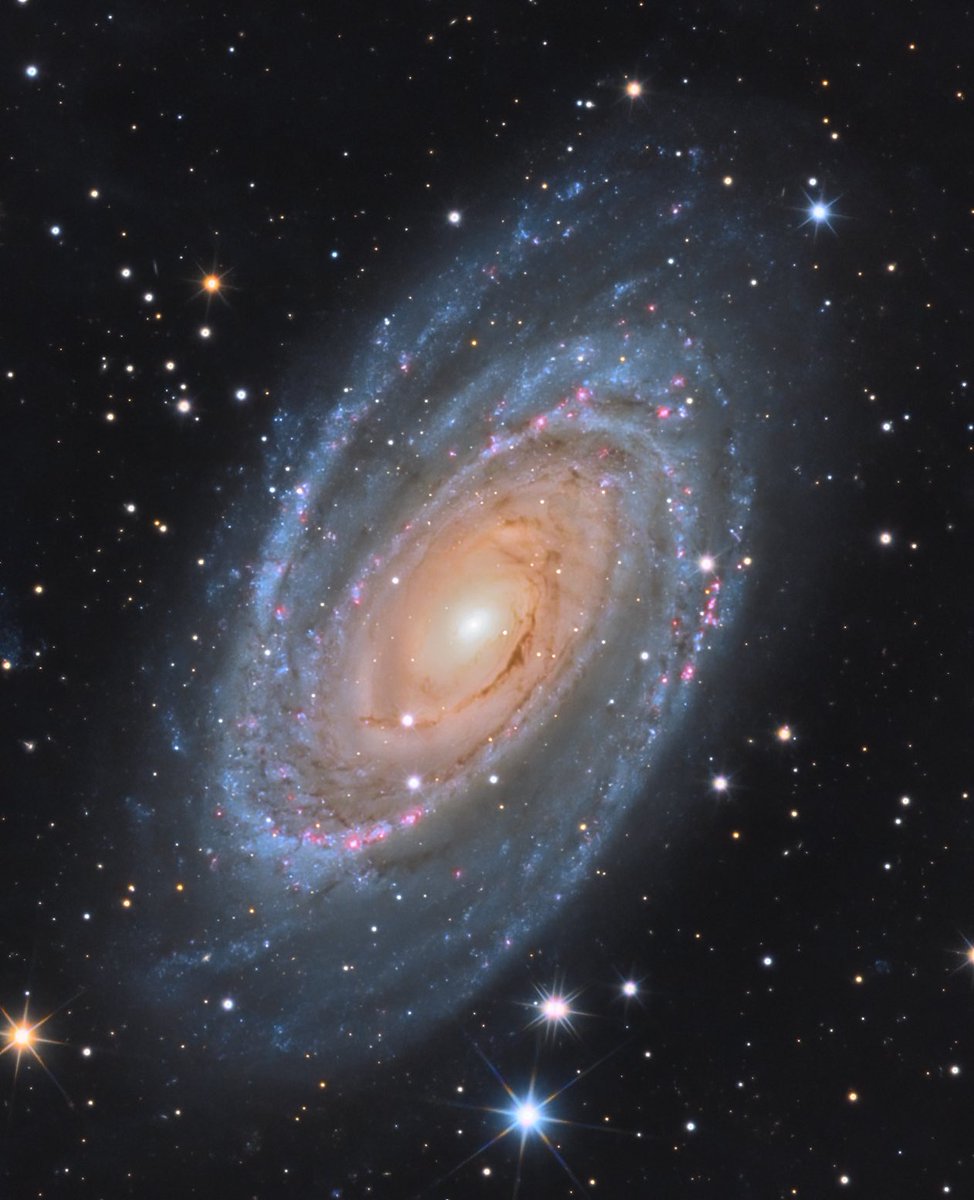
Telescope : Planewave CDK17, Camera : SBIG SXTL 11002 with AOX, Tracking : Paramount Telescope : Riccardi-Honders 305, Camera : SBIG SXTL 16200, Tracking : Paramount Location : Observatory EI Sauce, Chile / Australia Image processing : PI, PS Copyright: Martin Pugh & Rocco Sung

Telescope : Planewave CDK17, Camera : SBIG SXTL 11002 with AOX, Tracking : Paramount
Telescope : Riccardi-Honders 305, Camera : SBIG SXTL 16200, Tracking : Paramount
Location : Observatory EI Sauce, Chile / Australia

Image processing : PI, PS
Copyright: Martin Pugh & Rocco Sung
AAPOD2 (@aapodx2) 's Twitter Profile Photo

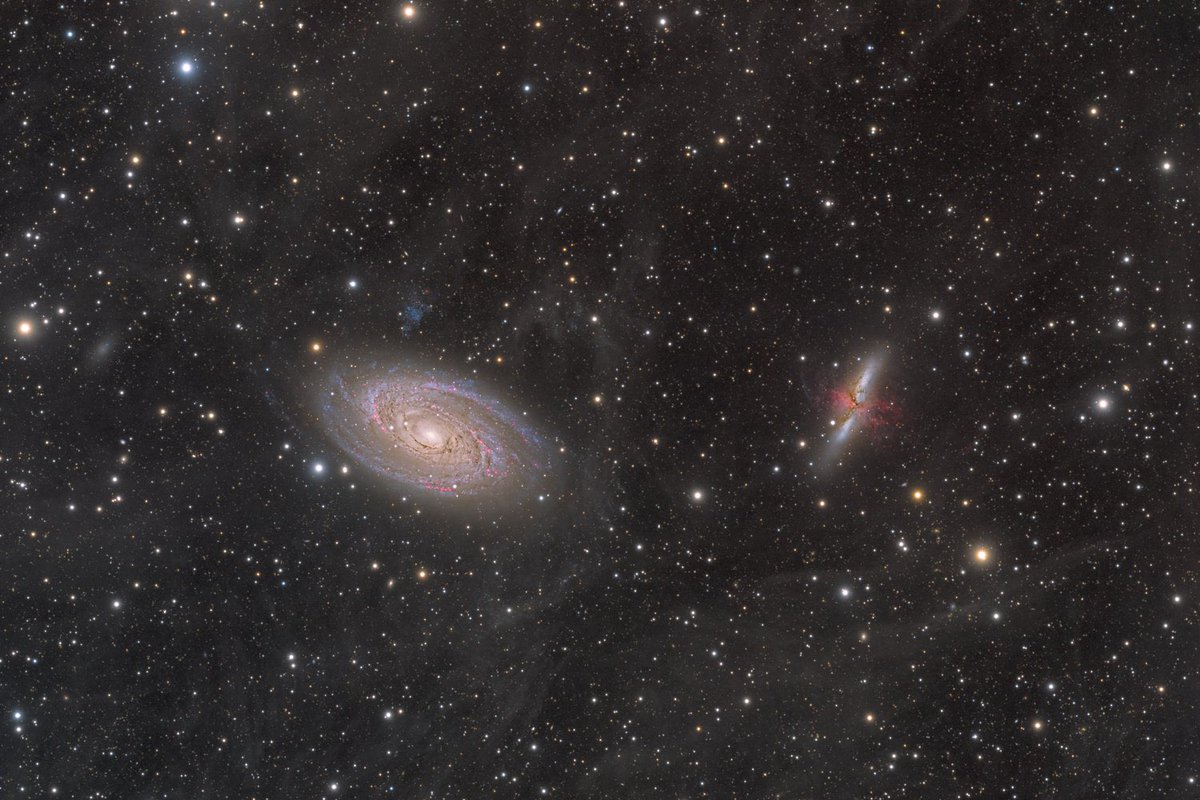
Bode's Galaxy, the Cigar Galaxy, and the Integrated Flux Nebula January 6 - January 28 2022 Rowe, NM 305mm Riccardi-Honders @ f/3.8 AP1100 GTO AE Mount, Unguided QHY600PH monochrome @-20*CChroma 50mm x 50mm filtersHaLRGB66.3 hours total integration time Copyright: Jared Willson

Bode's Galaxy, the Cigar Galaxy, and the Integrated Flux Nebula January 6 - January 28 2022 Rowe, NM 305mm Riccardi-Honders @ f/3.8 AP1100 GTO AE Mount, Unguided QHY600PH monochrome @-20*CChroma 50mm x 50mm filtersHaLRGB66.3 hours total integration time

 Copyright: Jared Willson
AAPOD2 (@aapodx2) 's Twitter Profile Photo

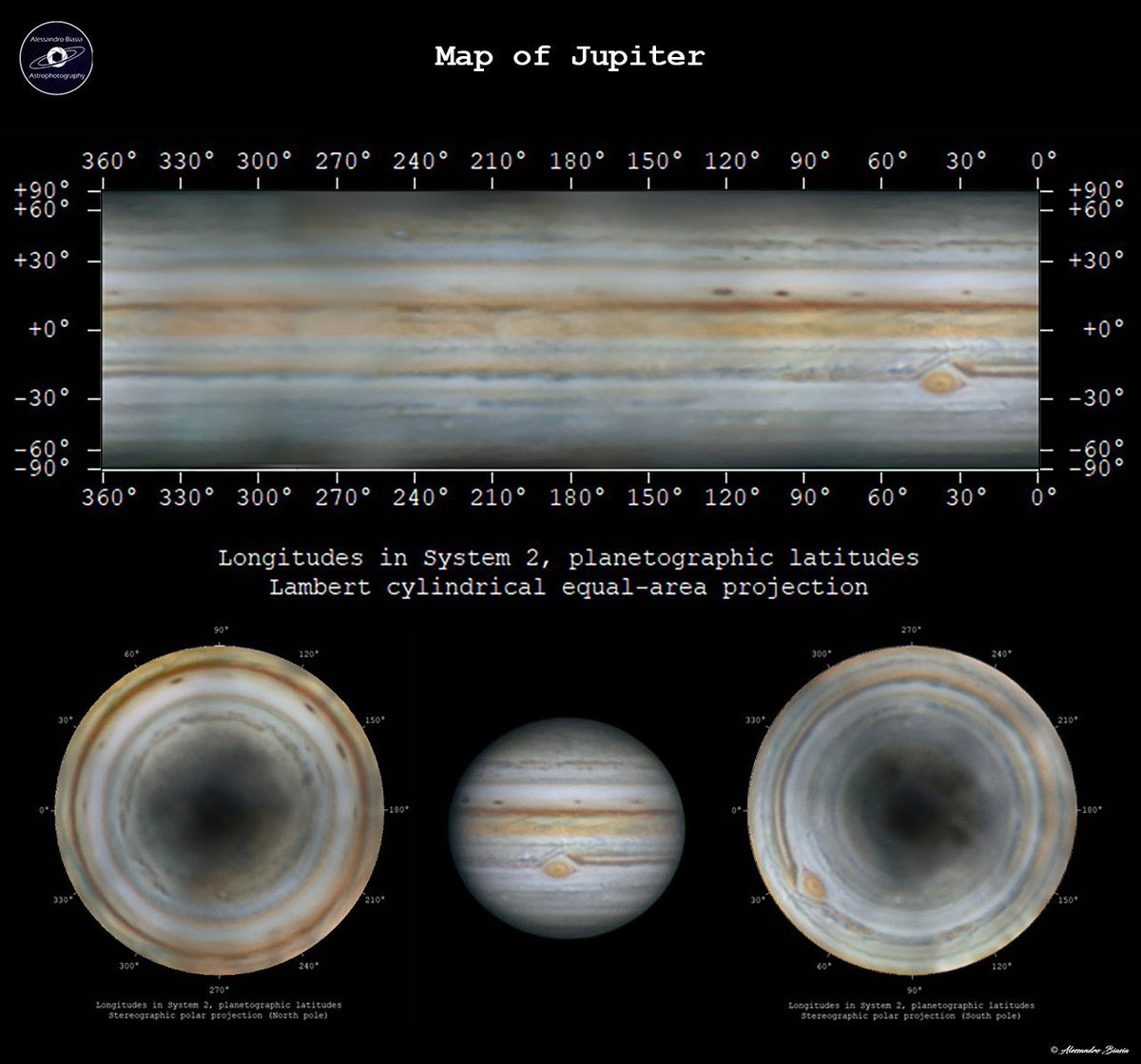
If you have photographs of a planet that cover all 360 °, it is possible to create a map of the planet using the Winjupos software. Acquisition data: Sky-Watcher Newton 200/1000 BD HEQ5 Pro SynScan ZWO ASI178 MM Barlow 2,7x APM R-G-B filters Meade Copyright: Alessandro Biasia

If you have photographs of a planet that cover all 360 °, it is possible to create a map of the planet using the Winjupos software.

Acquisition data:

Sky-Watcher Newton 200/1000 BD
HEQ5 Pro SynScan
ZWO ASI178 MM
Barlow 2,7x APM
R-G-B filters Meade
Copyright: Alessandro Biasia
AAPOD2 (@aapodx2) 's Twitter Profile Photo

This Image was captured over two winters with 4 different telescopes spanning from 8" to 12" for a total of 17 hours of exposure using LRGBHa Filters and a monochrome camera. Copyright: Matthew Proulx

This Image was captured over two winters with 4 different telescopes spanning from 8" to 12" for a total of 17 hours of exposure using LRGBHa Filters and a monochrome camera.
Copyright: Matthew Proulx