Inge Elfferich
@ielfferich
PhD Looking at cyanobacteria in drinking water reservoirs and ways to predict their production of Taste and Odour compounds @cardiffuni @DwrCymru @GW4FRESHCDT
ID: 1205173318929784832
12-12-2019 17:11:36
43 Tweet
197 Takipçi
381 Takip Edilen


A beautiful day at lake Erssjön and the Skogaryd Research station for the start of the mesocosm experiment and the first sampling campaign. The tiny lab will take some getting used to, but so far so good! SITES AquaNet


We are still going strong at Lake Erssjön @SkogarydRC for the AQUACOSM SITES AquaNet runoff mesocosm experiment. No complaints about the weather! With Kadir Yıldız and nuche


I'm proud to say I've seen all three Swedish lakes in which the mesocosm runoff experiment runs SITES AquaNet. This is lake Erken.


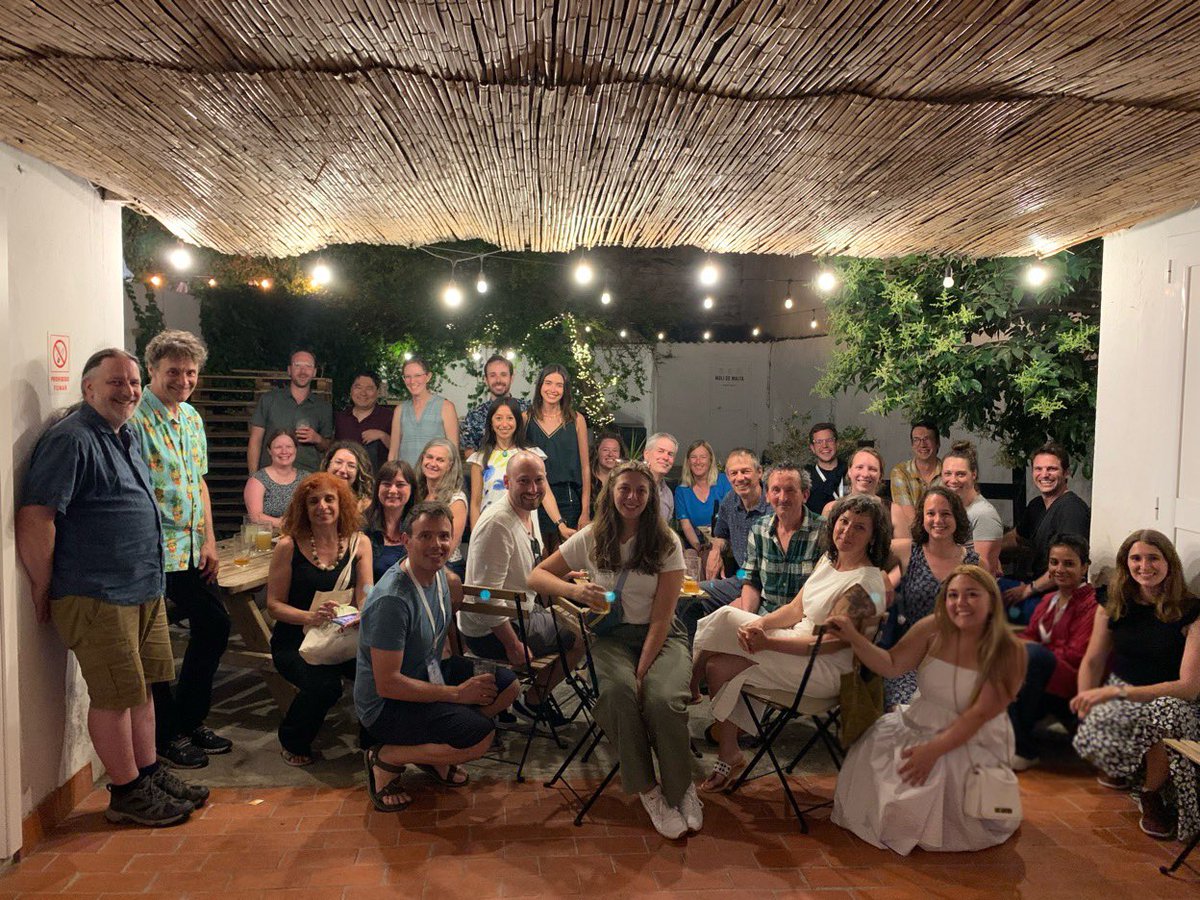
🗞️Fresh off the press, SITES June Newsletter is now published! mailchi.mp/6a0f38eada95/s… Topics include: #lake mesocosms SITES AquaNet + AQUACOSM-plus, featuring Inge Elfferich + team; Lifeplan #biodiversity efforts, SITES annual reporting and key figures

The ASLO conference was great! I met so many nice people, and discussed lots of science findings as well as common struggles. ASLO_Palma2023 #ASLO23


It was such a great experience to work on the SITES AquaNet AQUACOSM mesocosm experiment earlier this year. Silke Langenheder, well done for organising this big collaborative project and giving us all a chance to join! youtube.com/watch?v=20Zt1h…
Lots of interest in water quality and citizen science at the Green Man festival 2023, it was a great success! Green Man Cardiff School of Earth & Environmental Sciences Elle von Benzon Liz Bagshaw Wye Salmon Association Usk Friends #WorldWaterWeek

The third and final SITES Thematic Program video is complete! Follow along and learn more about SITES AquaNet - mesocosm experiments across SITES lakes. Welcome to SITES AquaNet! 📽️youtube.com/watch?v=EE2H1L…
Now, I've been sceptical about the use of 'early warning signals' in aquatic systems, and was interested in learning what conditions are necessary for them to be reliable. So we set out to perform 'best practice' assessments. Now out in Nature Communications: doi.org/10.1038/s41467…