Barbara Arbeithuber
@arbeithuber
ID: 846176829560029184
27-03-2017 01:47:32
20 Tweet
34 Followers
58 Following

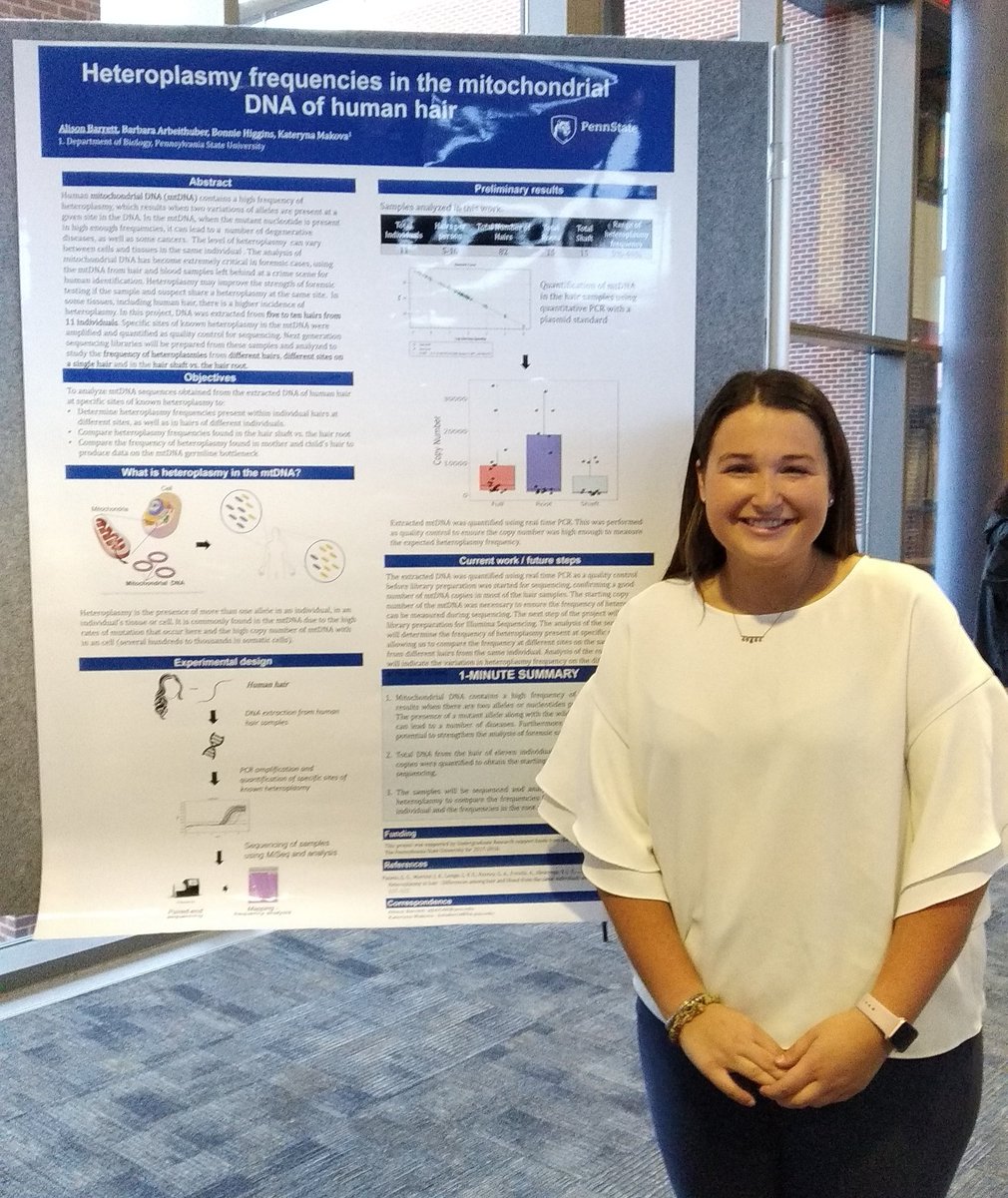
Alison Barrett presenting her work on mtDNA heteroplasmies in hair at the Eberly College of Science Undergraduate Research Poster Exhibition tonight Kateryna Penn State Eberly College of Science Penn State Biology


Read our recent preprint on rapid #satellite #repeat #evolution in great #apes uncovered with the use of Illumina, PacBio & Oxford Nanopore #sequencing reads. Work by Monika Cechova Mich, Bob Harris, @MTdellarte, Barbara Arbeithuber, Francesca Chiaromonte & myself: biorxiv.org/content/early/…
Our paper with @A_A_Zaidi on Exploring Mito-nuclear incompatibility in #humans was just published online in NatureEcoEvo. Here is a link to the full-length text: rdcu.be/bgNT8. #mitochondrion Penn State Biology
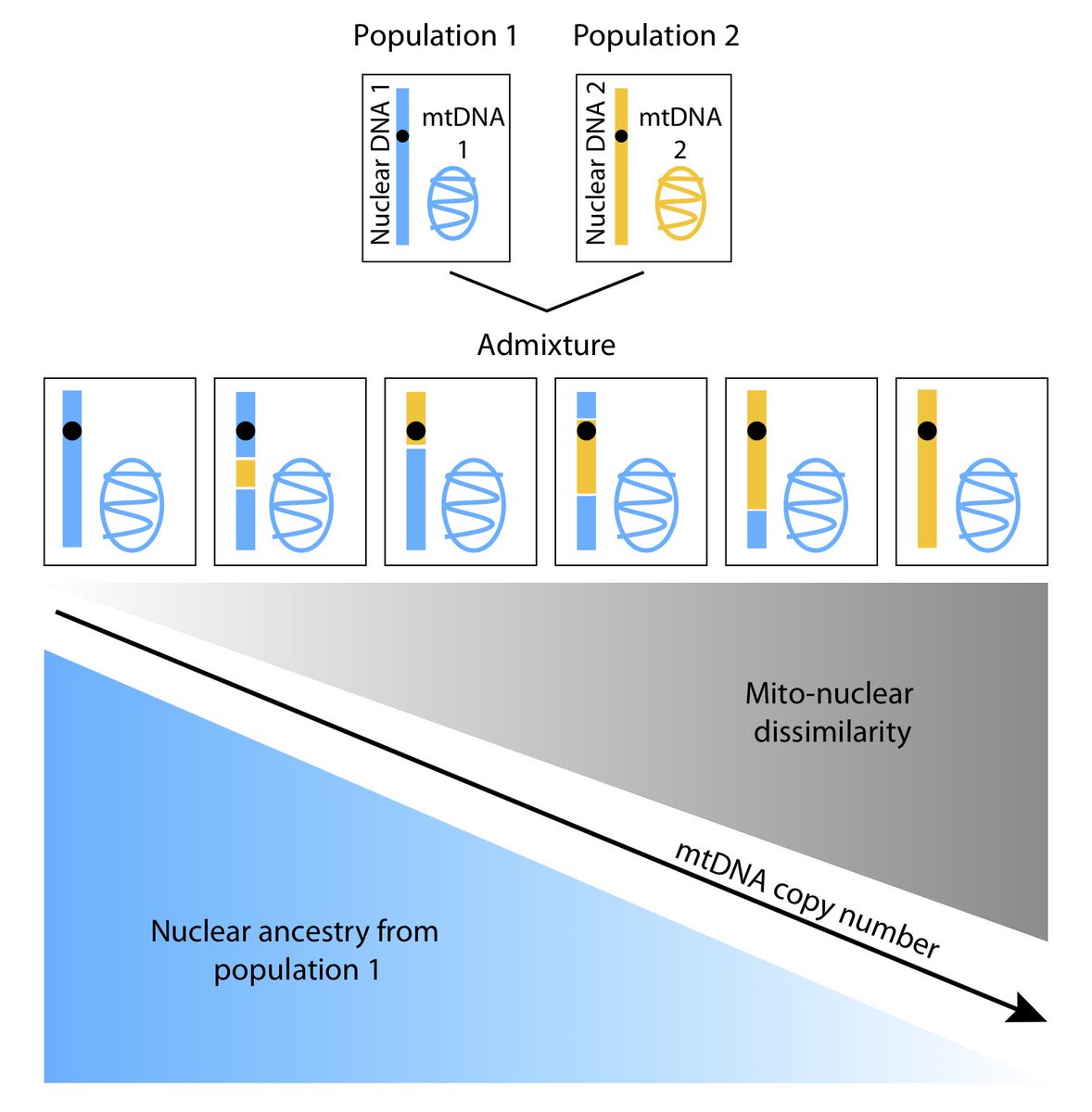



The mtDNA bottleneck can be confusing! The genetic bottleneck is not exactly a physical reduction in mtDNA copy num; can change over time; and is measured in different ways. New article attempts to explain & survey frontiersin.org/articles/10.33… (also seems exciting PNAS on this soon!)
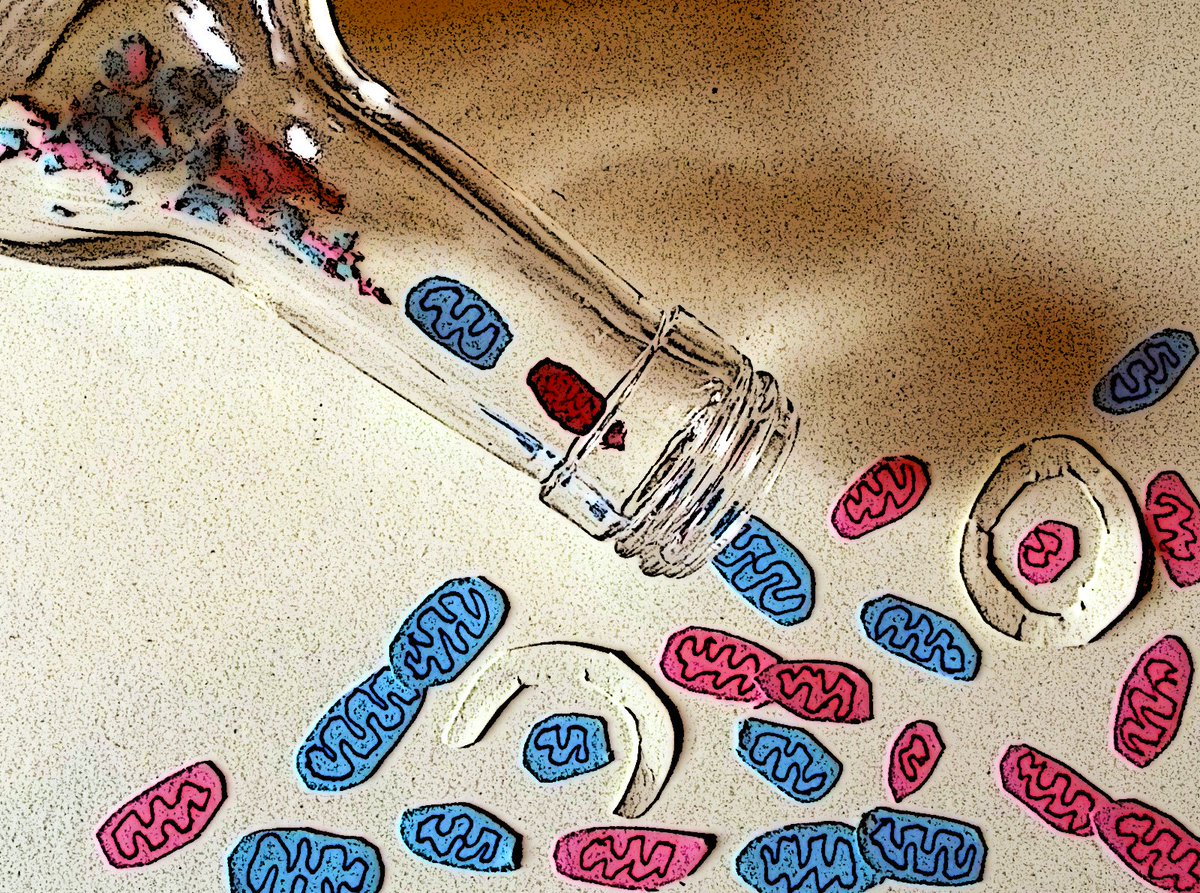

A new study by Eberly's Kateryna and a team of Penn State and UC Berkeley scientists provides insight into how disease-causing mutations in mitochondrial DNA are passed from mother to child — with important implications for pre-pregnancy counseling 🧬 buff.ly/2rUoUsp
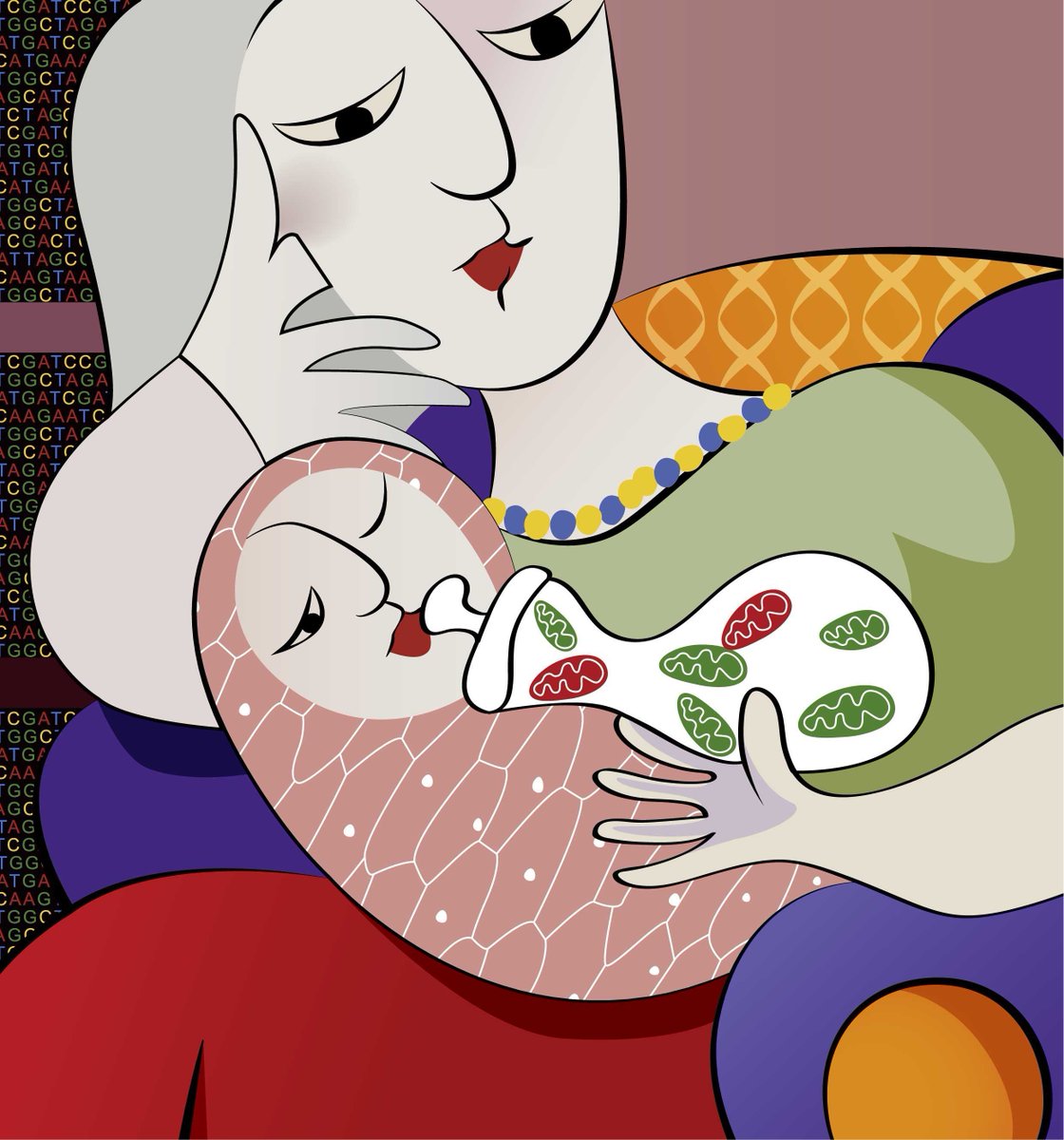
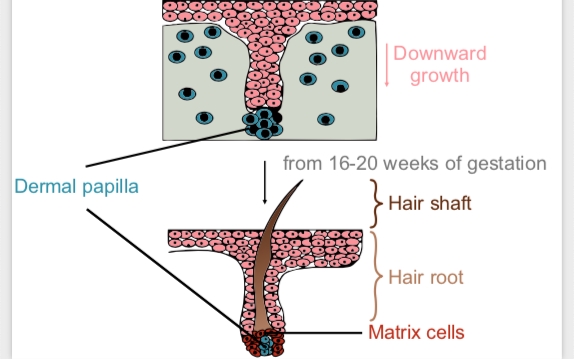
Strong mitochondrial bottleneck in each human💇♀️hair 💇♂️ & increased variance in allele frequency with age. Read our paper royalsocietypublishing.org/doi/10.1098/rs… by first author A. Barrett from @PennStateHonors mentored by Barbara Arbeithuber, with help from @A_A_Zaidi, Wilton, Ian Paul, MD, Rasmus Nielsen

New mutations accumulate in #reproductivecells of older mice Penn State PLOS Biology medicalxpress.com/news/2020-07-m…

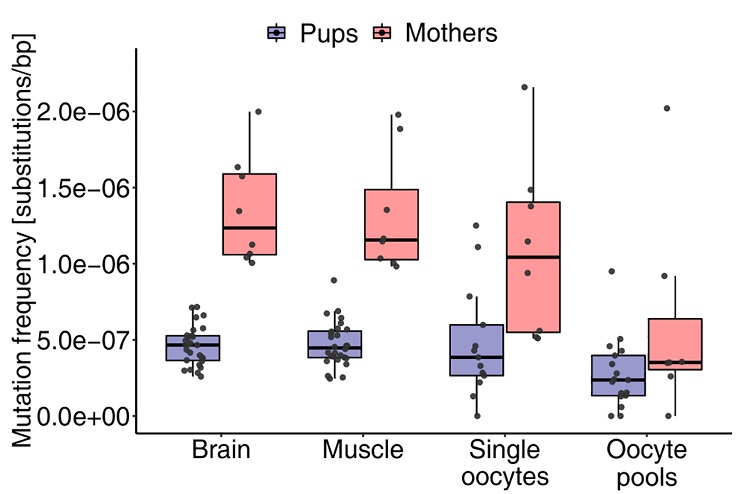
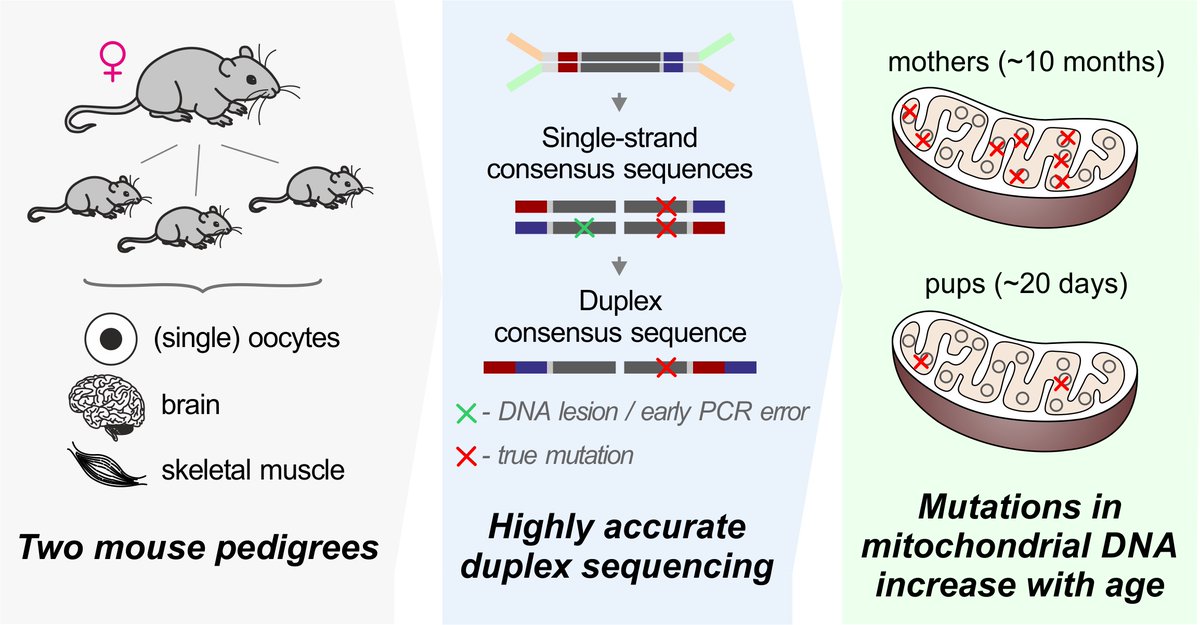
Read our recent paper in PLOS Biology: Age-related accumulation of de novo mitochondrial mutations in mammalian oocytes and somatic tissues. By Barbara Arbeithuber, J.Hester, M.Cremona, Nick Stoler, @A_A_Zaidi, B.Higgins, K.Anthony, F.Chiaromonte & F.Diaz plos.io/3fxpReo 1/n

Take a lunch break on Tuesday, learn something new: Du Novo Sequencing by Nick Stoler and Barbara Arbeithuber using the Galaxy Pro platform: galaxyworks.io/webinars/
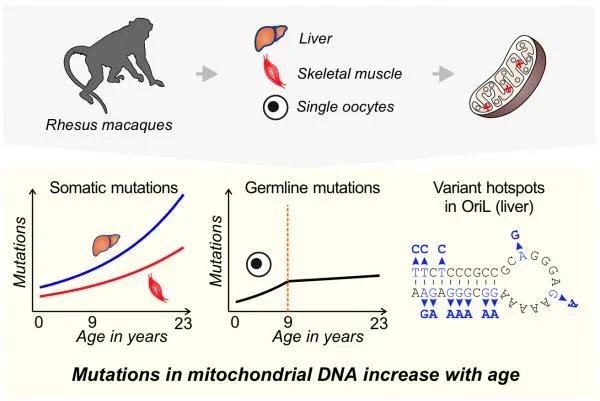
Primate oocytes developed a mechanism to avoid accumulating mitochondrial #mutations at advanced age. Read our article PNASNews. Work by Barbara Arbeithuber, M. Cremona, J. Hester, B. Higgins, K. Anthony, F. Chiaromonte & F. Diaz. Penn State Research Penn State Eberly College of Science 1/n pnas.org/doi/10.1073/pn…

Eizellen von Primaten könnten vor Mutationen geschützt sein - Linzer Forscherin zeigt, dass bei Primaten Mutationshäufigkeit in mitochondrialer DNA von Eizellen-Vorläufern geringer ist und mit dem Alter weniger zunimmt als in Zellen anderer Gewebe go.apa.at/LaTS0stM JKU - Johannes Kepler Universität Linz